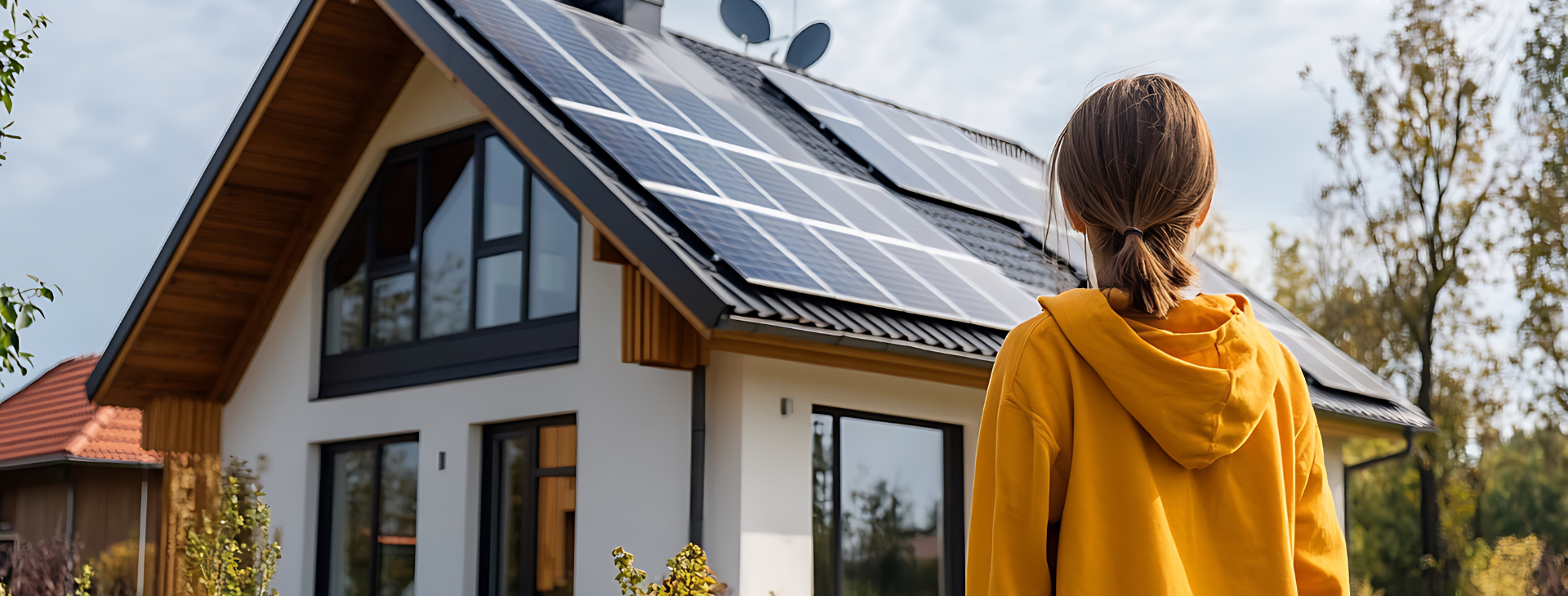
FHA Energy Efficient Mortgage (EEM)
The FHA Energy Efficient Mortgage (EEM) is a special loan program backed by the Federal Housing Administration (FHA) that helps borrowers finance energy-saving improvements as part of their FHA-insured mortgage. With an EEM, you can make your home more energy efficient without needing a larger down payment or higher income to qualify.
What Is the FHA Energy Efficient Mortgage (EEM)?
The FHA EEM allows borrowers to roll the cost of eligible energy-efficient improvements into their FHA mortgage. This program is available for purchases and refinances, and it’s designed to help homeowners reduce utility costs while building long-term savings and comfort.
How It Works
- Eligibility: Available for FHA purchase loans, rate/term refinances, and FHA 203(k) rehabilitation loans.
- Down Payment: Still as low as 3.5% — improvement costs don’t increase the required down payment.
- Credit Score Requirement: Minimum FICO of 580 (lender overlays may apply).
- Energy Audit: A Home Energy Rating System (HERS) report or energy audit determines which upgrades are cost-effective.
- Improvement Types: Can include insulation, HVAC systems, solar panels, windows, water heaters, and more.
- Loan Limits: The cost of improvements is typically capped at the lesser of:
- 5% of the home’s adjusted value,
- 115% of the median area price, or
- 150% of the national conforming loan limit.
Benefits of FHA Energy Efficient Mortgage
- Finance energy-saving upgrades into your mortgage.
- Lower monthly utility bills long-term.
- No higher down payment or income required.
- Can improve comfort and increase home value.
- Available for both new purchases and refinances.
Fun Facts & Insider Details
- Not a Standalone Loan: EEMs must be added to an FHA-insured loan, such as FHA 203(b) or 203(k).
- Cost-Effective Rule: Improvements must save more in energy costs than they add to your monthly payment.
- Solar Friendly: Solar energy systems often qualify, making this program popular in sunny states like Florida.
- Green Incentives: In some areas, pairing an FHA EEM with state/local rebates maximizes savings.
- Utility Impact: Even small improvements like new windows or insulation can dramatically reduce long-term utility bills.
Who Is the Best Candidate for FHA EEM?
- Buyers purchasing older homes that need energy upgrades.
- Homeowners refinancing into FHA who want to lower long-term expenses.
- Borrowers with limited cash upfront but who want to invest in energy efficiency.
- Eco-conscious buyers interested in solar or high-efficiency systems.
FAQs – FHA Energy Efficient Mortgage
-
Can I use an EEM to buy appliances?
Only if the appliances are permanently installed and contribute to energy efficiency (e.g., HVAC system, water heater).
-
Do I need to hire a contractor?
Yes, licensed contractors must install improvements, and upgrades must be verified through an energy audit.
-
Can this be used for luxury improvements?
No. The program only covers cost-effective energy upgrades, not luxury items.
-
Does this increase my down payment?
No. Down payments are still based on the home’s base value, not including improvements.
Next Step
Interested in lowering utility bills while improving your home? Let’s see if the FHA Energy Efficient Mortgage is right for you.
- Call Us: 305-440-1507
- Email: info@torresnc.com
⚖️ Disclaimer: This guide is for educational purposes only. Loan approval and program eligibility depend on credit, income, assets, property type, and lender guidelines. Energy upgrades must be cost-effective and verified through an energy audit.

