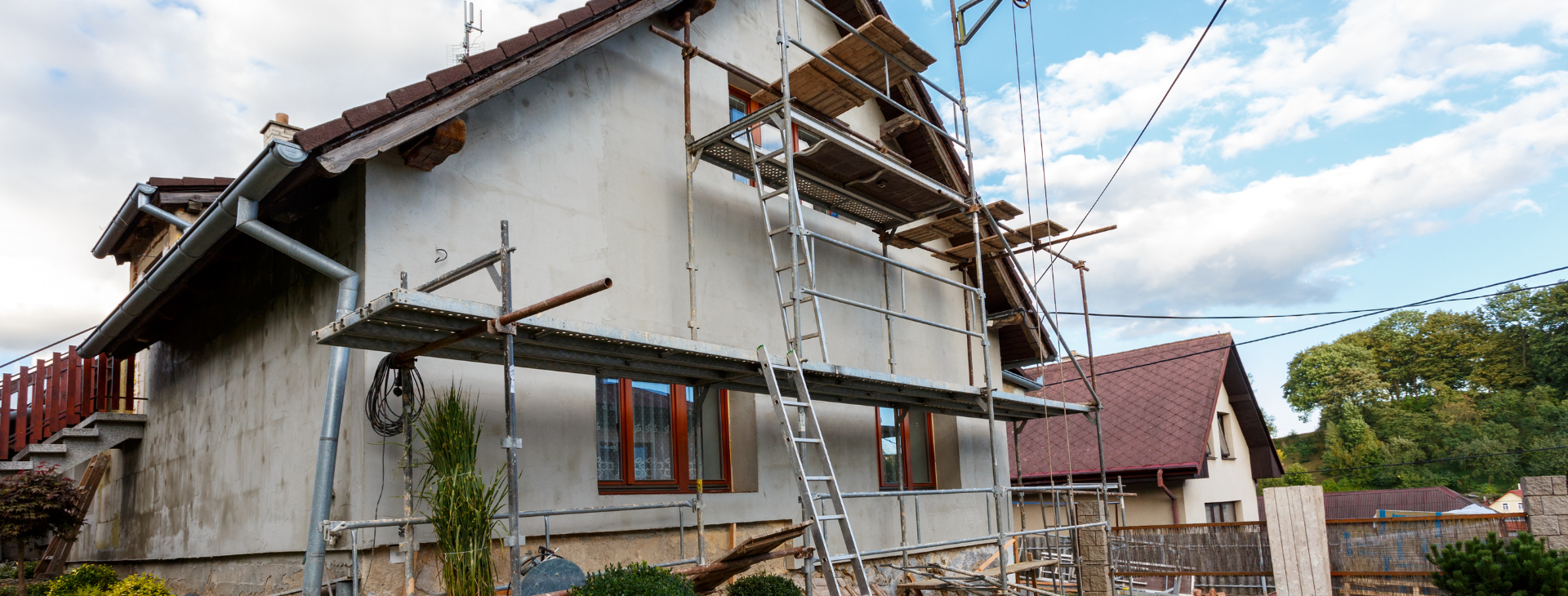
Properties in Poor Condition | Financing Options
Not all homes are move-in ready—and many buyers seek out distressed or outdated properties to build equity, renovate, or flip. Traditional mortgages often decline these homes because they do not meet minimum property standards.
Fortunately, there are several specialized loan programs that allow you to buy and rehab a property even if it needs significant repairs.
This category includes loan types designed specifically to help buyers purchase homes that fail standard appraisal requirements.
What This Loan Category Is
“Properties in Poor Condition” refers to homes that cannot pass standard lender or FHA/VA/USDA appraisal guidelines due to issues such as:
- Missing flooring
- Roof damage
- Unsafe electrical or plumbing systems
- Structural issues
- Water damage or mold
- Unfinished construction
- Broken HVAC systems
- Safety or habitability concerns
Homes like this are often labeled:
“Fixer-Upper,” “Uninhabitable,” “As-Is,” “Distressed,” “Handyman Special,” or “Shell Condition.”
A specialized loan allows buyers to purchase and renovate the property under one mortgage.
How It Works
Financing options for distressed properties usually combine the purchase price plus renovation costs into a single loan.
Funding is released in stages as repairs are completed.
Common steps:
- Buyer selects a renovation-eligible loan.
- Contractor bids and repair plans are submitted.
- Appraiser determines after-repair value (ARV).
- Loan closes covering purchase + renovation funds.
- Renovation funds are distributed as work is completed.
- Final inspection verifies that required repairs are done.
Loan Options Available for Properties in Poor Condition
Several programs support buying homes needing repair:
- FHA 203(k) Renovation Loan
- Allows purchase + renovation financing
- Standard or Limited versions
- 3.5% down payment
- Ideal for primary residences
- Can finance structural and major repairs
- One of the most common solutions for distressed homes
- Fannie Mae HomeStyle Renovation Loan
- Conventional loan option for renovation
- Can be used for primary, second home, or investment properties
- Allows luxury upgrades (pool, outdoor kitchen, etc.)
- Down payment as low as 5% for primary residences
- Freddie Mac CHOICERenovation Loan
- Similar to Fannie Mae HomeStyle
- Available for primary and investment properties
- Allows disaster-repair financing
- Hard Money Loans
- Asset-based financing for distressed or non-financeable properties
- Ideal for flips or short-term rehab projects
- Higher rates but extremely flexible
- Not credit-driven
- DSCR Investment Rehab Loans
- Investor-focused loan for renovation projects
- Based on rental income potential
- Useful for BRRRR strategies
Down Payment Requirements
Down payment depends on the loan type:
- FHA 203(k): 3.5%
- HomeStyle / CHOICERenovation: as low as 5%
- Hard Money: often 10–20%
- DSCR Rehab: typically 15–25%
Down payment is based on total acquisition cost, which may include both purchase price and renovation costs.
Credit Score Requirements
Typical minimums (lender overlays may apply):
- FHA 203(k): 620–640 FICO
- HomeStyle / CHOICERenovation: 620+ FICO
- Hard Money: no minimum score; asset-based
- DSCR Rehab: 620–680+ depending on lender
What Is a Lender Overlay?
An overlay is a stricter requirement imposed by the lender.
Example: FHA may allow 580, but lenders may require 620 or higher for any renovation loan.
Who This Loan Category Is Best For
These options are a strong fit for buyers who:
- Want to buy a home at a discount due to condition
- Plan to renovate a property after purchase
- Are investors seeking BRRRR or flip opportunities
- Are first-time buyers open to a fixer-upper
- Want one loan for both purchase and construction
- Need a home to meet habitability requirements after repairs, not before
Fun Facts & Lesser-Known Details
- Renovation loans base the loan amount on the after-repair value (ARV), which increases buying power.
- You cannot do the work yourself unless you’re a licensed contractor (varies by lender).
- Many loans allow you to finance temporary housing during renovation.
- Some programs allow financing for energy-efficient upgrades.
- Many properties that look “too rough for financing” often qualify with the right renovation program.
- Some programs allow accessory dwelling units (ADUs) to be added or repaired.
Important Considerations
- These loans require detailed contractor bids, timelines, and inspections.
- DIY work typically not allowed unless you are licensed.
- Renovation funds are held in escrow and released in increments.
- Closing times may be longer due to additional documentation.
- Not all contractors qualify—must meet lender requirements.
- Some repairs are required for safety and cannot be postponed.
Next Step
Interested in Properties in Poor Condition | Financing Options? Let’s confirm eligibility and walk you through the details.
- Llámenos: 305-440-1507
- Correo electrónico: info@saddlebrown-goldfish-156458.hostingersite.com
⚖️ Disclaimer: This guide is for educational purposes only. Loan approval and terms depend on credit, income, assets, property type, and program guidelines.

